

How to Prevent Flies in Restaurants and Commercial Kitchens in Riyadh
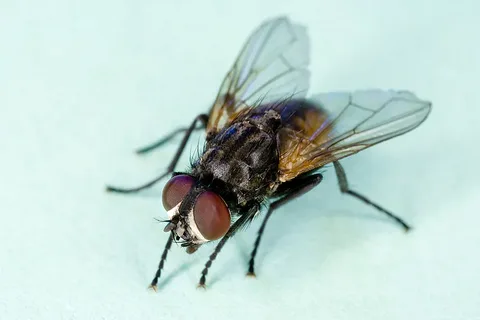
Flies that occur in the vicinity of food preparation, kitchen sinks, garbage bins, and even dining tables constitute potential hygiene threats in restaurant and commercial kitchens. In Riyadh, which houses restaurants, cafes, hotels, and catering establishments operating on a 24-hour basis, maintaining a clean and secure facility is necessary. However, routine cleaning might not suffice if flies find sources of breeding sites or any food garbage left uncovered.
Controlling flies in restaurants in Riyadh goes beyond the application of insecticides occasionally. It includes proper food handling and storage, waste disposal, drainage management, securing entrances, and staff training on food hygiene practices. This article provides practical methods to avoid flies and when to seek professional help.
Why Are Flies a Problem in Restaurants and Commercial Kitchens?
Flies can compromise restaurant hygiene by landing on food, preparation surfaces, utensils, and other frequently used areas. Their presence may also make customers question the cleanliness of an establishment.
For restaurant owners, recurring fly activity can affect customer experience and create additional cleaning challenges. Food contamination is a particular concern when flies move between waste materials and food-handling areas.
What Attracts Flies to Restaurants in Riyadh?
Flies are attracted to accessible food, moisture, organic waste, and suitable breeding sites. House flies commonly gather around waste and exposed food, while fruit flies may appear near ripened fruit, sugary drinks, and fermentation residue.
Common attractants include:
- Food waste: Leftover food, crumbs, and uncovered ingredients.
- Waste bins: Overflowing bins and containers without secure lids.
- Drains: Organic buildup and residue inside kitchen drainage systems.
- Moisture: Leaking pipes, standing water, and damp cleaning areas.
- Entrances: Open doors, unscreened windows, and poorly protected delivery areas.
In busy Riyadh restaurants, frequent deliveries and continuous kitchen operations can make entrance management especially important.
How to Prevent Flies in Restaurants and Commercial Kitchens
Restaurants can reduce fly activity by combining consistent sanitation, physical barriers, and targeted pest management. The following measures help address common attractants and prevent flies from accessing food preparation areas.
1. Keep Food Covered and Properly Stored
Cover prepared food, ingredients, and displayed dishes whenever possible. Use suitable food-grade containers and follow appropriate storage procedures. Avoid leaving ingredients or prepared meals exposed during busy service periods.
2. Maintain a Strict Cleaning Schedule
Clean food preparation surfaces, equipment, floors, and spill-prone areas regularly. Remove crumbs, sugary residue, grease, and leftover food promptly instead of waiting until closing time.
3. Manage Waste Correctly
Use covered, easy-to-clean waste bins and empty them frequently. Keep external waste storage areas clean, and arrange timely waste collection. Wash bins when necessary to remove residue that may attract flies.
4. Clean Drains and Control Moisture
Remove organic buildup from drains using suitable cleaning methods. Inspect floor drains, sinks, and pipe connections for residue, blockages, or leaks. Keep floors as dry as practical and address plumbing problems promptly.
5. Protect Doors and Windows
Install suitable fly screens where appropriate, maintain door seals, and consider self-closing doors or air curtains where suitable. Keep delivery and waste collection entrances protected, especially during periods of frequent movement.
How to Prevent Flies in Restaurant Dining Areas
A clean dining area will serve to reduce flies and make for a comfortable dining experience for customers. Clean tables between customers and discard any waste that might encourage the presence of flies. Where there is outdoor seating, ensure waste containers are covered, and any leftover food and beverages are discarded.
Where feasible, protect doors with appropriate screens or door systems. Position fly monitors in appropriate locations away from exposed food, food contact surfaces, and dining areas. The positioning of these devices should be in line with the manufacturer’s specifications.
Why Do Flies Keep Returning Even After Cleaning?
Flies may return because cleaning visible surfaces does not always remove the source of the infestation. Organic buildup inside drains, neglected waste storage areas, leaking pipes, and nearby breeding sites can continue attracting them.
Unprotected entrances may also allow new flies to enter throughout the day.
Traps alone may capture some adult flies without addressing the source. Effective source control requires identifying breedin
How to Prevent Flies in Restaurant Dining Areas
A clean dining area will serve to reduce flies and make for a comfortable dining experience for customers. Clean tables between customers and discard any waste that might encourage the presence of flies. Where there is outdoor seating, ensure waste containers are covered, and any leftover food and beverages are discarded.
Where feasible, protect doors with appropriate screens or door systems. Position fly monitors in appropriate locations away from exposed food, food contact surfaces, and dining areas. The positioning of these devices should be in line with the manufacturer’s specifications.
Why Do Flies Keep Returning Even After Cleaning?
Flies may return because cleaning visible surfaces does not always remove the source of the infestation. Organic buildup inside drains, neglected waste storage areas, leaking pipes, and nearby breeding sites can continue attracting them.
Unprotected entrances may also allow new flies to enter throughout the day.
Traps alone may capture some adult flies without addressing the source. Effective source control requires identifying breeding areas, removing attractants, and correcting entry points. If activity continues despite routine cleaning, a more detailed inspection may be needed.
When Should Restaurants Hire Professional Fly Control Services in Riyadh?
Restaurants should consider professional pest control when flies continue appearing despite consistent cleaning, when large numbers are present, or when the source cannot be identified.
A professional inspection can help locate breeding sites, assess entry points, and determine suitable treatment and prevention measures. For commercial kitchens, any treatment must account for food-handling activities and the safety of staff and customers.
C Fox Pest Control offers fly control among its pest management services. Restaurants and food businesses can explore its fly control services in Riyadh to discuss their specific requirements. Its pest control and cleaning services page provides further information about available services.
Conclusion
Preventing flies requires consistent hygiene, proper waste disposal, drain maintenance, and effective protection against entry. Restaurants, cafes, hotels, and commercial kitchens in Riyadh should combine these measures with regular monitoring rather than relying only on traps or chemical sprays. If flies keep returning, professional inspection can help identify the underlying cause. Contact C Fox Pest Control to explore suitable fly control solutions in Riyadh for your business.
Frequently Asked Questions
1. How can restaurants prevent flies in Riyadh?
Restaurants can prevent flies by covering food, cleaning spills promptly, emptying waste bins regularly, maintaining clean drains, and protecting entrances. Consistent staff training and monitoring help identify recurring activity before it becomes a larger problem.
2. What attracts flies to commercial kitchens?
Commercial kitchens attract flies through exposed food, sugary residue, overflowing waste bins, organic drain buildup, and moisture. Unprotected doors and windows also provide entry points, allowing flies to reach food preparation and storage areas.
3. How can restaurants keep flies away from food?
Keep food covered, store ingredients properly, clean preparation surfaces frequently, and remove waste promptly. Maintain clean drains and use suitable physical barriers. Position fly-control devices away from exposed food and food-contact surfaces.
4. Why do flies keep coming back after cleaning?
Flies may return because hidden breeding sources, drain residue, neglected waste areas, or entry points remain untreated. Cleaning visible surfaces alone may not solve the problem. Identifying and eliminating the underlying attractants is essential for lasting prevention.
Latest post
Home Cleaning Services in Riyadh: Prices & Services
October 3, 2026
What Does “Municipality-Approved” Pest Control Mean in Saudi Arabia?
September 28, 2026