
Commercial Water Tank Cleaning Services: Why Businesses Need Them
Commercial Water Tank Cleaning Services Water is one of the most important resources for any business. Whether it is used for drinking, food preparation, manufacturing processes, sanitation, or daily operations, maintaining a clean and safe water supply is essential. Many commercial properties rely on water storage tanks to ensure a continuous supply of water. However, over time these tanks can accumulate dirt, sediment, algae, bacteria, and other contaminants that can affect water quality and create serious health and operational risks.
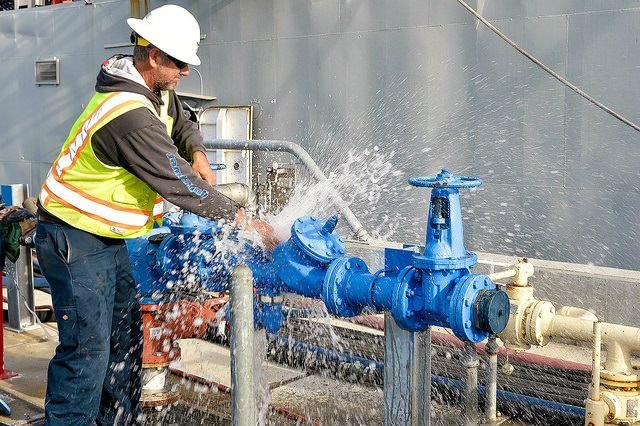
Commercial water tank cleaning services play a crucial role in maintaining water hygiene and ensuring compliance with health and safety standards. Regular professional cleaning helps businesses protect employees, customers, and equipment while improving operational efficiency. Understanding the importance of commercial water tank cleaning can help organizations make informed decisions about maintaining their water storage systems.
The Importance of Clean Water Storage Tanks
Water tanks are designed to store water safely for future use. Despite being enclosed, tanks are not immune to contamination. Dust, debris, rust particles, microorganisms, and sediment can gradually build up inside the tank. In some cases, cracks or damaged covers can allow insects, rodents, or external contaminants to enter the system.
When water remains stored for long periods without proper maintenance, harmful bacteria and algae may begin to grow. This contamination can compromise water quality and create health risks for anyone using the water. Businesses that depend on clean water cannot afford to overlook the condition of their storage tanks.
Commercial Water Tank Cleaning Services Regular cleaning removes accumulated contaminants and ensures that stored water remains safe and suitable for its intended purpose.
Health and Safety Benefits
One of the primary reasons businesses invest in professional water tank cleaning services is to protect health and safety. Contaminated water can contain harmful bacteria, viruses, and microorganisms that may lead to waterborne illnesses.
Employees, customers, patients, students, and visitors all rely on safe water within commercial facilities. Industries such as healthcare, hospitality, food service, education, and manufacturing have particularly strict requirements for water quality. Failure to maintain clean water storage systems can lead to health concerns, reputational damage, and potential legal liabilities.
Professional cleaning services help eliminate harmful contaminants and support a healthier environment for everyone who uses the facility.
Compliance with Regulations and Standards
Many industries are required to meet specific health, safety, and water quality regulations. Government authorities and regulatory agencies often establish standards for water storage and maintenance to ensure public safety.
Regular tank cleaning helps businesses comply with these requirements by maintaining hygienic water storage conditions. Professional service providers typically follow industry-approved cleaning and disinfection procedures, helping organizations demonstrate their commitment to compliance.
Maintaining records of routine tank inspections and cleaning activities can also be valuable during audits and inspections.
Prevention of Water Contamination
Contamination can occur gradually and may go unnoticed until serious problems arise. Sediment buildup at the bottom of the tank can provide a breeding ground for bacteria and microorganisms. Commercial Water Tank Cleaning Services Organic matter entering the tank can contribute to algae growth and unpleasant odors.
Professional tank cleaning removes these contaminants before they impact water quality. Thorough cleaning and disinfection procedures help prevent future contamination and ensure that stored water remains fresh and safe.
Preventive maintenance is significantly more cost-effective than dealing with the consequences of contaminated water, including potential health issues and business disruptions.
Protecting Business Reputation
Businesses are expected to provide clean and safe environments for employees and customers. Water quality problems can quickly damage a company’s reputation, especially if customers or staff experience health concerns linked to contaminated water.
Hotels, restaurants, hospitals, schools, and commercial buildings rely heavily on public trust. A single incident involving poor water quality can lead to negative reviews, customer complaints, and loss of confidence.
Regular water tank cleaning demonstrates a commitment to quality, safety, and responsible facility management. This proactive approach helps protect the organization’s reputation and maintain customer trust.
Improving Operational Efficiency
Dirty water tanks can negatively affect plumbing systems, pumps, filters, and other water-related equipment. Sediment and debris may clog pipes, reduce water flow, and increase wear on mechanical components.
When equipment must work harder due to contaminated water, energy consumption may increase and maintenance costs can rise. In severe cases, equipment failure can lead to costly repairs and operational downtime.
Professional tank cleaning helps maintain efficient water system performance by removing deposits that can interfere with equipment operation. Cleaner water systems often result in lower maintenance expenses and improved reliability.
Extending the Lifespan of Water Storage Systems
Water tanks represent a significant investment for many businesses. Proper maintenance is essential for maximizing the lifespan of these assets.
Over time, accumulated sediment, corrosion, and biological growth can damage tank surfaces and structural components. Routine cleaning allows professionals to inspect the tank for signs of wear, corrosion, leaks, or other issues that may require attention.
Early identification of potential problems enables timely repairs and helps prevent more extensive damage. Commercial Water Tank Cleaning Services As a result, businesses can extend the service life of their water storage systems and avoid premature replacement costs.
Professional Cleaning Methods and Techniques
Commercial water tank cleaning services utilize specialized equipment and proven techniques to achieve thorough results. The cleaning process typically includes draining the tank, removing sediment and debris, scrubbing internal surfaces, and applying approved disinfection treatments.
Advanced cleaning methods may involve high-pressure washing, vacuum extraction, and specialized inspection equipment. Professional technicians are trained to follow strict safety procedures while ensuring that the cleaning process meets industry standards.
These specialized services provide a level of cleanliness and effectiveness that is difficult to achieve through basic maintenance efforts alone.
Industries That Benefit from Commercial Tank Cleaning
Virtually every industry that relies on stored water can benefit from regular tank cleaning services. Commercial buildings, hotels, hospitals, schools, shopping centers, manufacturing facilities, food processing plants, and residential complexes all require clean and reliable water supplies.
Healthcare facilities need hygienic water to support patient care and sanitation. Restaurants and food processing businesses require safe water for food preparation. Manufacturing operations often depend on water for production processes and equipment cooling.
Regardless of the industry, maintaining clean water storage systems contributes to safer operations and improved service quality.
Creating a Preventive Maintenance Schedule
Establishing a regular cleaning schedule is one of the most effective ways to maintain water quality. The ideal cleaning frequency depends on factors such as tank size, water usage, environmental conditions, and industry requirements.
Routine inspections can help identify contamination risks before they become significant problems. Working with a professional tank cleaning provider allows businesses to develop customized maintenance programs that suit their operational needs.
A preventive approach reduces the likelihood of unexpected issues and ensures that water storage systems remain in optimal condition throughout the year.
Conclusion
Commercial water tank cleaning services are essential for businesses that depend on safe and reliable water supplies. Clean water storage tanks help protect public health, maintain regulatory compliance, improve operational efficiency, and preserve valuable infrastructure. Regular professional cleaning removes contaminants, prevents water quality issues, and supports a healthier environment for employees and customers alike.
By investing in routine tank cleaning and maintenance, businesses can safeguard their reputation, reduce long-term costs, and ensure that their water storage systems continue to operate efficiently. In today’s competitive business environment, maintaining clean water is not just a matter of compliance—it is a critical component of responsible and successful facility management.